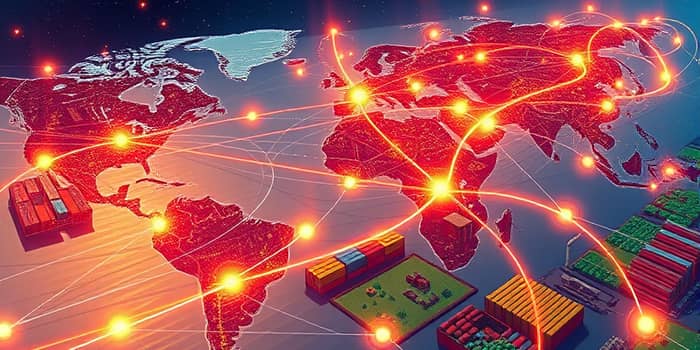
In an era where consumers demand accountability and organizations face mounting regulatory scrutiny, supply chain opacity undermines trust and efficiency.
By harnessing blockchain’s immutable ledger and decentralized architecture, companies can transform their operations, delivering better outcomes for stakeholders and society.
Why Transparency Matters in Modern Supply Chains
Global supply chains have grown increasingly complex, spanning multiple countries, dozens of suppliers, and countless handoffs. At each junction, data fragmentation and manual processes create opportunities for error, fraud, and delay.
Consumers, retailers, and regulators all seek clear visibility into product origins, handling conditions, and journey milestones. Without transparency, businesses risk costly recalls, reputational damage, and non-compliance fines.
- Lack of provenance data fuels counterfeiting and waste.
- Delayed recall responses can spread health hazards.
- Manual record-keeping increases operational costs.
- Information silos undermine cross-company collaboration.
How Blockchain Technology Works
Blockchain offers a radically different approach to data management. Instead of centralized databases controlled by a single entity, blockchain records transactions across a shared, decentralized ledger accessible to all participants.
Each transaction is bundled into a block, cryptographically linked to the previous one, creating an immutable, tamper-proof record of every event. Smart contracts—self-executing code on the blockchain—automate key processes like quality checks, invoicing, or trigger-based payments.
Benefits and Impact on Efficiency
By embedding blockchain at each stage of the supply chain, organizations unlock a range of strategic advantages. They gain real-time visibility for all partners, minimize manual errors, and foster collaboration across formerly siloed operations.
- Enhanced traceability from raw material sourcing to final delivery
- Cost savings through streamlined audits and reduced paperwork
- Fraud reduction by preventing unauthorized data alterations
- Regulatory compliance with a reliable, auditable trail
Research indicates that implementing distributed ledger technology can boost trade volume by up to 15% and deliver significant boosts in GDP for participating economies. In food processing alone, smart traceability solutions have cut costs by nearly 40%.
Real-World Applications and Use Cases
Leading companies across industries have already embraced blockchain to secure their operations and earn consumer trust.
Walmart, for example, leverages blockchain to trace leafy green produce from farm fields to store shelves. Within seconds, quality and handling data are available, reducing recall times from weeks to mere seconds. IBM’s Food Trust network extends this model to dozens of manufacturers and retailers, ensuring cold chain shipments maintain proper temperature and handling records.
In the pharmaceutical arena, SkyCell’s blockchain-enabled smart containers monitor geolocation, temperature, and humidity in real time. When combined with IoT sensors, this approach guarantees that critical medicines remain safe and potent throughout transit.
Luxury goods and bio-food producers also use blockchain to verify ethical sourcing and fair-trade certifications. Customers can scan a QR code on a label and instantly see each step of the product’s journey, building confidence in its authenticity and sustainability.
Overcoming Adoption Challenges
Despite clear benefits, many organizations encounter hurdles when integrating blockchain into existing supply chains. Key obstacles include upfront technology investment, the learning curve for suppliers, and aligning standards across diverse stakeholders.
- Supplier onboarding: Ensuring all partners adopt the platform
- Technical integration: Merging blockchain with legacy ERP and IoT systems
- Data privacy concerns: Balancing transparency with competitive confidentiality
- Regulatory alignment: Meeting different national and industry standards
Successful implementations often begin with pilot programs focused on a single product line or region. By demonstrating tangible ROI and simplified processes, these pilots inspire broader adoption across the network.
The Future of Transparent Supply Chains
Looking ahead, blockchain’s synergy with AI, IoT, and advanced analytics promises a new era of proactive supply chain management. Intelligent algorithms will analyze real-time blockchain data to predict disruptions, optimize routes, and reduce waste.
Environmental, social, and governance (ESG) criteria are also becoming integral to procurement decisions. With blockchain, companies can publicly verify their carbon footprint, ethical labor practices, and sustainable sourcing—meeting growing consumer and investor expectations.
As more industries embrace distributed ledger networks, a global standard for transparent supply chains will emerge, fostering unprecedented levels of trust, efficiency, and collaboration.
By taking incremental steps—starting small, proving value, and scaling—organizations can leverage blockchain’s power to create long-term competitive advantage and deliver measurable impact for customers, partners, and society.
References
- https://www.sekologistics.com/en/resource-hub/knowledge-hub/how-blockchain-technology-is-transforming-supply-chain-transparency/
- https://consensys.io/blockchain-use-cases/supply-chain-management
- https://surgere.com/blog/the-role-of-blockchain-in-supply-chain-transparency/
- https://www.ibm.com/think/topics/blockchain-for-supply-chain
- https://www.ismworld.org/supply-management-news-and-reports/news-publications/inside-supply-management-magazine/blog/2023/2023-09/how-blockchain-can-enhance-transparency-traceability-and-trust-in-procurement-processes/
- https://www.softeq.com/blog/four-blockchain-supply-chain-examples
- https://www.oracle.com/blockchain/what-is-blockchain/blockchain-for-supply-chain/
- https://www.pwc.de/en/strategy-organisation-processes-systems/blockchain-in-the-supply-chain.html
- https://www.deloitte.com/us/en/services/consulting/articles/blockchain-supply-chain-innovation.html
- https://www.verytechnology.com/insights/top-blockchain-use-cases-for-supply-chain-management
- https://sccgltd.com/blockchain-benefits-for-supply-chain-optimisation-transparency-and-efficiency/
- https://www.advatix.com/blog/the-role-of-blockchain-in-ensuring-supply-chain-transparency/
- https://hbr.org/2020/05/building-a-transparent-supply-chain