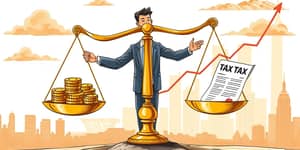
Stagflation—where high inflation, slow economic growth, and rising unemployment converge—can feel like an insurmountable storm. Yet, history shows resilience and thoughtful action can chart a path forward.
Understanding Stagflation’s Roots
At its core, stagflation defies conventional economics: prices climb even as output stalls and jobs vanish. Inflation measures such as the CPI or PCEPI capture soaring living costs, while GDP growth remains muted or negative. Unemployment rates climb, eroding consumer confidence.
First named by Iain Macleod in the 1960s, this phenomenon arises when supply shocks and policy dilemmas collide, creating a trap where tools to fight one problem worsen another.
Lessons from History
The 1970s United States stands as the defining example. A sudden OPEC oil embargo in 1973 sent crude prices skyrocketing. Within two years, unemployment nearly doubled (from around 5% to 9%), and CPI inflation peaked near 14% in 1980. President Carter dubbed it his generation’s greatest challenge.
Federal Reserve Chair Paul Volcker’s aggressive interest rate hikes ultimately tamed inflation but triggered a brief recession. More recently, fears in 2022 over post-pandemic supply chains and geopolitical strife raised stagflation alarms—but timely policy adjustments averted the full-blown scenario.
Causes and Triggers
Stagflation emerges from intersecting forces. Sudden commodity shortages, expansive monetary policy, and disruptive regulations can each act as catalysts. Once prices rise independently of demand, traditional cooling measures risk deepening joblessness.
Impacts on Stakeholders
Stagflation’s ripple effects extend across society. Consumers face higher living costs affect families, forcing difficult budget choices. Businesses grapple with shrinking profit margins under pressure, often resulting in layoffs or cutbacks.
Investors find traditional bonds lose value in real terms, while equities wobble under uncertain forecasts. Broadly, stagnant GDP signals recession risk and forces policymakers into wrenching trade-offs.
Policy Responses and Mitigations
Central banks and governments must balance competing priorities. No single lever offers a cure-all, but combined measures can restore equilibrium.
- Monetary Tightening: Raising interest rates to rein in inflation, as Volcker’s Fed did—effective but potentially deepens unemployment in the short term.
- Targeted Fiscal Support: Investing in energy efficiency and alternative sources can reduce dependence on volatile commodities, cushioning future shocks.
- Regulatory Adjustments: Streamlining trade rules and supply-chain logistics to ensure steady flows of goods and services.
Preparing Investors and Individuals
While policy shifts take time, individuals and investors can adopt diversify beyond cash and bonds to guard against erosion of real returns.
- Allocate a portion of portfolios to inflation hedges such as commodities, real estate, or TIPS.
- Build savings buffers amid job risks by reducing discretionary spending and reinforcing emergency funds.
- Evaluate essential budget items—energy, housing, food—and explore efficiency improvements or alternative suppliers.
Charting a Path Forward
Stagflation may test our resolve, but by studying past successes and failures, we can cultivate resilience. Policymakers grounded in historical lessons can coordinate monetary, fiscal, and regulatory actions to smooth out shocks.
At the individual level, prudent financial planning and adaptive mindsets foster security even when economic winds howl. Across communities and nations, enhancing energy independence, strengthening global cooperation, and investing in innovation can limit the severity of future disruptions.
Ultimately, navigating stagflation demands both strategic policy frameworks and empowered citizens ready to adjust, save, and invest wisely. By combining collective action with personal discipline, we can weather these rough economic seas and emerge stronger on the other side.
References
- https://www.fidelity.com/learning-center/smart-money/stagflation
- https://www.invesco.com/us/en/insights/what-is-stagflation-policymakers.html
- https://www.masterclass.com/articles/stagflation
- https://www.ebsco.com/research-starters/economics/stagflation
- https://www.ssga.com/us/en/individual/resources/education/what-is-stagflation-and-what-makes-it-so-bad
- https://www.empower.com/the-currency/money/stagflation