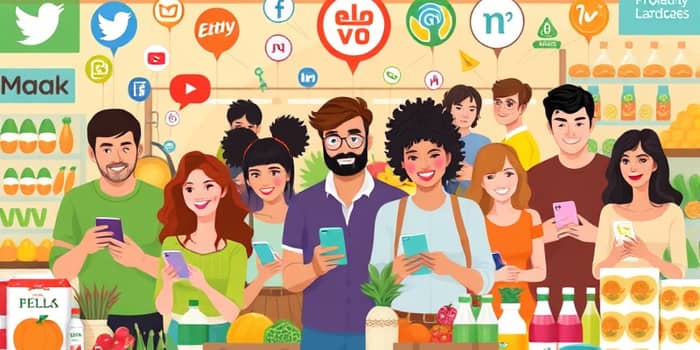
In 2026, consumer behavior is undergoing a dramatic transformation. Driven by generational divides, economic pressures, and digital-native habits, the market landscape demands fresh perspectives and strategic investments. From wellness trading up to social commerce growth, businesses must adapt to seize emerging opportunities.
Demographic Shifts Redefining Markets
Generation Z and Millennials now represent 40% of the US population, reshaping purchasing power and brand loyalty. Their preferences diverge sharply from older cohorts, forcing companies to rethink product development, marketing channels, and engagement strategies.
Meanwhile, the rise of the “New Young” or extended middle age—driven by longer lifespans—presents a lucrative segment often overlooked by traditional youth- or retirement-focused approaches. This extended middle of life beyond 40 offers demand for health, lifestyle, and digital experiences that bridge generational gaps.
Economic Pressures and Value-Driven Choices
Economic inequality remains a top concern, with rising wealth inequality fueling polarized consumption patterns. Nearly 24 million millionaires in the US fuel premium segments, while value channels and private labels see robust growth among cost-conscious shoppers.
Over 60% of consumers rank price and affordability as their top priorities, yet more than 40% are willing to pay premiums for value-aligned products transparent in sustainability, inclusivity, and ethical sourcing. This duality creates fertile ground for brands that blend affordability with authenticity.
- Private labels gain traction in club stores and value chains.
- Social commerce forecasts 17% of online sales by 2026.
- Global ecommerce reaches 21.1% of total retail sales.
Wellness and Lifestyle “Trading Up”
Even amid tightened budgets, consumers upgrade selectively in health and lifestyle categories. Fitness and wellness dominate, with 71% of Gen Z and 57% of Millennials investing in workout programs, equipment, and apps.
Fresh produce, supplements, beauty products, and premium pet foods are also on the rise. Brands that position offerings as essential to wellbeing capture loyalty and command higher margins, tapping into a wellness-first mindset across generations.
- Fitness programs/apps: 71% Gen Z, 57% Millennials.
- Fresh fruits/vegetables: ~50% across younger cohorts.
- Supplements/vitamins: 29–33% purchase regularly.
This trend extends beyond nutrition into mental and emotional health, highlighting emotional stability and debt-free living as core life priorities for younger consumers.
Digital Natives and Social Commerce
Gen Z and Millennials navigate the digital realm with unmatched fluency. About 30% of Millennials and 26% of Gen Z use AI for product research, while only 5% of Boomers adopt such tools. This AI-driven personalization without creepiness differentiates winning brands.
Social platforms evolve into shopping destinations: TikTok Shop claims 48% usage among younger cohorts, and Instagram/ Facebook Shops attract 30%. Livestream shopping in the US is set to reach $70 billion by 2026, blending entertainment and commerce in a frictionless entertainment-purchase blend.
- AI tools like ChatGPT support 22% of online shoppers.
- OnlyFans and emerging platforms show 67–71% awareness.
- Performative online presence shapes identity for 25–28%.
Investment Opportunities and Future Outlook
As demographic and economic forces collide, investors must pivot toward younger, value-driven, and wellness-focused segments. Key opportunities include:
- Targeting Gen Z/Millennials (40% of population) with AI and social commerce solutions.
- Developing private label lines for value channels and club stores.
- Innovating in wellness categories—nutrition, mental health, longevity.
- Building hyper-personalized experiences that respect privacy and foster trust.
Risks include growing algorithm backlash and sensitivity to overly intrusive personalization. Balancing technology with human touch will be critical to maintain engagement and brand affinity.
By aligning strategies with shifting demographics, economic realities, and digital behaviors, businesses and investors can unlock sustainable growth. The future belongs to those who understand and embrace the nuanced demands of a multigenerational, values-conscious global consumer.
References
- https://www.circana.com/post/unpacking-consumer-marketing-trends-that-will-drive-growth-in-2026
- https://www.salsify.com/blog/top-10-consumer-trends-to-watch
- https://escalent.co/blog/top-consumer-trends-2026-market-research-insights-brands-need-to-build-winning-strategies/
- https://www.mintel.com/insights/consumer-research/global-consumer-trends/
- https://www.qualtrics.com/articles/customer-experience/global-consumer-experience-trends/
- https://go.euromonitor.com/report-2026-global-consumer-trends.html
- https://www.gwi.com/connecting-the-dots