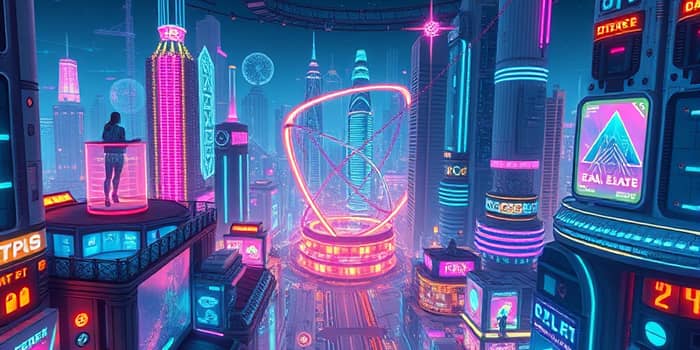
The metaverse is transforming how we work, play, and invest. As virtual worlds expand, understanding digital assets becomes critical for anyone seeking to capitalize on this immersive frontier. This guide illuminates the pathways to success in a landscape where pixels carry real value.
What Are Virtual Assets?
At its core, a virtual asset is any digital item with value in a metaverse environment. These range from avatars and wearables to virtual land, NFTs, tokenized real-world assets, and digital currencies. Powered by blockchain and secured by smart contracts, each asset retains proof of ownership and scarcity.
Unlike traditional investments, virtual assets thrive on user interaction and platform interoperability. Their value drivers include provenance, utility, scarcity, and aesthetic appeal. Industry giants and emerging creators alike participate in an ecosystem where digital ownership unlocks unique digital ownership opportunities.
Market Growth and Forecasts
By 2026, the global metaverse economy is projected to reach $2.11 trillion, driven by a 46.4% CAGR for virtual assets through 2030. Virtual real estate alone is expected to grow from $3 billion in 2024 to over $54.95 billion by 2033. Meanwhile, daily VR engagement has surged, with 25% of users spending more than an hour per day immersed in virtual worlds.
Enterprise adoption is accelerating: over 30% of organizations will integrate metaverse technologies for training, design, and remote collaboration by 2026. Meta’s $10 billion investment in enterprise applications underscores the medium’s transformative potential. These figures reflect a shift from experimental use cases to real wealth creation within decentralized economies.
Technologies Powering Virtual Assets
The backbone of the metaverse economy rests on several core technologies:
- Blockchain & Smart Contracts: Ensure secure ownership, transparent provenance, and automatized royalty flows.
- Non-Fungible Tokens (NFTs): Authenticate scarcity and support creator royalties on secondary sales.
- Web3 & DeFi/DAOs: Facilitate interoperable economies and community-driven governance.
- AR/VR Hardware: Devices like Meta Quest 3, Apple Vision Pro M5, and Samsung Galaxy XR deliver higher resolution, lower latency, and reduced motion sickness.
Additionally, AI-driven content tools reduce development time by up to 50%, enabling personalized environments and dynamic avatars that adapt to user preferences in real time.
Trends Shaping 2026
The metaverse economy is a dynamic, rapidly evolving landscape characterized by these key trends:
- AI-Generated Assets: Automated creation of avatars, environments, and experiences accelerates asset production.
- Spatial & Mixed Reality: Converging physical and digital worlds for immersive training and virtual tourism.
- Creator Economy Explosion: NFTs with built-in royalty streams empower individual artists and small studios.
- Tokenization Boom: Fractional ownership of real estate, art, and collectibles lowers entry barriers.
- Hardware Advancements: Next-gen headsets make daily VR engagement more accessible and comfortable.
How to Navigate Virtual Asset Markets
For newcomers and seasoned investors alike, a strategic approach is vital. Follow these steps to build and manage your virtual portfolio:
- Research Platforms: Assess communities on Decentraland, The Sandbox, and Roblox. Consider user base, transaction volume, and governance models.
- Diversify Asset Types: Balance virtual land, NFTs, tokenized real-world assets, and digital currencies to spread risk.
- Verify Scarcity and Provenance: Use blockchain explorers to confirm token supply and ownership history.
- Engage with Communities: Join DAOs and Discord channels to stay informed on drops, governance votes, and collaborations.
- Leverage Tools and Marketplaces: Employ analytics platforms to track price trends, floor values, and trader sentiment.
By following these guidelines, you can position yourself to capitalize on emerging opportunities and minimize exposure to volatility.
Real-World Examples and Case Studies
Leading brands and early adopters showcase the power of virtual assets:
In Roblox, a Gucci virtual handbag sold for $6 and later resold for over $4,000, highlighting how interoperable digital economies magnify value. Nike’s CRYPTOKICKS NFTs span both digital and physical realms, granting holders exclusive access to limited-edition sneakers.
Major corporations like Samsung, Adidas, and Coca-Cola have invested in prime virtual real estate, hosting branded experiences that generate direct revenue and enhance customer engagement. Decentraland and The Sandbox report individual land parcels selling for millions, underscoring investor confidence in virtual property as a long-term asset class.
Challenges and Future Outlook
Despite spectacular growth, the metaverse economy faces hurdles. Platform fragmentation and “walled gardens” impede seamless asset transfer. Regulatory uncertainty around digital currencies and NFTs poses legal risks for creators and investors. Technical challenges such as motion sickness, hardware costs, and network latency still demand solutions.
Looking ahead, interoperability standards and cross-chain frameworks will be crucial to unify disparate worlds. As enterprise adoption deepens and hardware becomes more affordable, daily engagement is poised to surpass current forecasts. Conservative estimates predict the virtual assets market will continue a 46.4% CAGR through 2030.
By understanding underlying technologies, monitoring emerging trends, and applying disciplined investment strategies, anyone can navigate this frontier. The metaverse economy offers unparalleled avenues for creativity, commerce, and community—rewarding those who explore with foresight and adaptability.
References
- https://www.nextechar.com/blog/the-economics-of-the-metaverse
- https://www.timesofblockchain.com/price-prediction/metaverse-economy-forecast-2026-2030/
- https://metaversereality.ieee.org/publications/articles/what-components-are-part-of-metaverse-infrastructure/
- https://www.techtimes.com/articles/315376/20260325/top-metaverse-trends-2026-best-vr-headsets-web3-investments-immersive-experiences.htm
- https://www.postaffiliatepro.com/blog/understanding-metaverse-virtual-worlds-digital-economies/
- https://metaversesecuritycenter.org/metaverse-security-center/f/22-metaverse-statistics-2026
- https://ezine.eversheds-sutherland.com/the-metaverse-and-beyond/digital-assets
- https://www.kavout.com/market-lens/is-the-metaverse-finally-hitting-its-stride-in-2026-and-how-does-vwld-fit-in
- https://www.coinmetro.com/learning-lab/metaverse-economy-cryptocurrencies
- https://www.intuz.com/blog/metaverse-technologies-to-know-about
- https://dl.acm.org/doi/full/10.1145/3626315
- https://www.strategicmarketresearch.com/market-report/metaverse-market
- https://www.statista.com/outlook/amo/metaverse/metaverse-virtual-assets/worldwide
- https://fortunly.com/statistics/metaverse-statistics/
- https://www.brookings.edu/articles/metaverse-economics-part-1-creating-value-in-the-metaverse/